
Ledger®® Live: Desktop® — Getting Started | official Ledger™
Ledger Live Desktop provides a desktop workspace for managing Ledger accounts, tracking crypto portfolios, checking balances, and handling supported transactions.
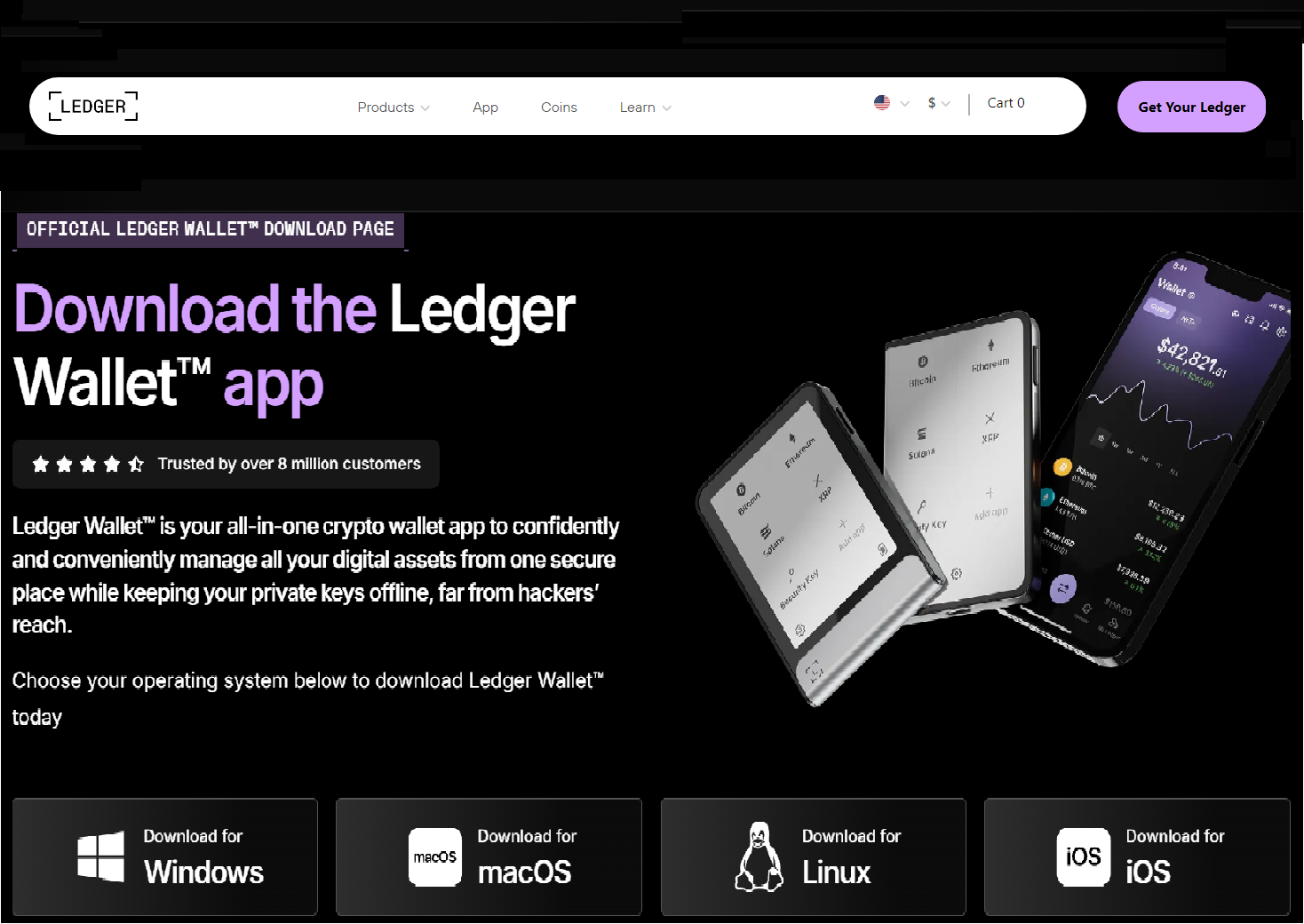
Ledger Live Desktop: Simplify Your Digital Asset Routine
Managing cryptocurrency from a computer can become easier when everyday tasks follow a clear process. Ledger Live Desktop provides a desktop environment for working with compatible Ledger hardware wallets, reviewing accounts, and handling supported digital assets.
Rather than rushing from one transaction to another, users can create a structured routine that focuses on accuracy, organization, and security.
Prepare Your Desktop First
A reliable wallet workflow begins with the computer itself. Before installing or using wallet software, make sure the operating system is maintained and that you are using software from trustworthy sources.
When looking for Ledger Live Desktop, verify that you are accessing the official Ledger website. Avoid downloading applications from unfamiliar websites, file repositories, advertisements, or unsolicited messages.
This first check can prevent many avoidable problems.
Understand Your Wallet Setup
After installation, take some time to understand how your desktop application and hardware wallet work together.
Your hardware wallet may be required for certain actions, particularly operations involving transaction approval. Follow the instructions presented by the software and review prompts on the physical device when requested.
Do not treat device confirmations as routine pop-ups that can simply be accepted.
Arrange Your Accounts Clearly
Organization becomes increasingly important as your portfolio grows.
You may have different accounts for different cryptocurrencies, networks, or purposes. Giving accounts recognizable names can help you select the correct one when reviewing balances or preparing a transaction.
A well-organized account structure also makes historical activity easier to understand.
Make Portfolio Reviews a Habit
Instead of checking your portfolio only when you need to make a transaction, consider establishing occasional review sessions.
During a review, examine:
- Current account balances
- Recent transaction activity
- Account organization
- Supported assets you are using
- Any unfamiliar activity
Regular reviews can help you stay familiar with your wallet without constantly interacting with it.
Verify Before Receiving Funds
Receiving cryptocurrency still requires attention.
Before providing an address to another person or service, confirm that you selected the correct account and asset. Also check the network expected by the sender.
For important transfers, independently verify the receiving address rather than relying solely on an address copied from an old conversation.
Take Extra Time With Outgoing Transfers
Sending funds requires a stronger verification process.
Before approving a transaction, review the recipient address, asset, amount, network, and displayed fees. If your hardware wallet displays transaction information, compare it carefully with the transaction you intended to create.
A short pause is worthwhile because confirmed blockchain transactions may be difficult or impossible to reverse.
Keep Security Information Private
Your recovery information should never be treated like an ordinary password that can be shared with support staff or entered into websites.
Keep it private and secure. Be suspicious of anyone who says they need your recovery information to synchronize, unlock, restore, or verify your wallet.
Unexpected requests for sensitive wallet information are a major warning sign.
Watch for Fake Support
Cryptocurrency users may encounter fake support accounts through social media, messaging platforms, forums, or email.
A person claiming to help you may ask you to:
- Share recovery information
- Install remote-access software
- Visit an unfamiliar website
- Approve an unexpected transaction
- Send funds for “verification”
Do not allow urgency to replace verification.
Create a Final-Check Routine
Before finishing a wallet session, confirm that your intended activity has been completed.
You can quickly check:
Account: Did I use the correct account?
Asset: Did I select the intended cryptocurrency?
Network: Does it match the destination?
Transaction: Did the final details match my plan?
Security: Did I avoid sharing sensitive information?
This takes little time and creates a repeatable habit.
FAQs
What is the main purpose of Ledger Live Desktop?
It provides a desktop environment for managing compatible Ledger accounts and supported digital assets alongside compatible Ledger hardware.
Why should I verify the network?
The same or similar digital assets can be available on different networks. Sending through an incompatible network can create serious problems.
Should I respond to unsolicited wallet support messages?
Treat unexpected support messages cautiously. Verify support information independently through an official source.
Why should I review my hardware wallet before confirming?
The physical device provides an additional place to inspect transaction information before approval.
Can organization improve wallet management?
Yes. Clear account names and consistent organization can make it easier to identify the intended account and review activity accurately.
Conclusion
A simple crypto routine can make desktop wallet management easier to understand. Ledger Live Desktop can serve as one part of that routine, while careful account organization, transaction verification, hardware-wallet confirmation, and strong security habits help users approach their digital assets more deliberately.
Updated about 3 hours ago