
Ledger®® Live: Desktop® — Getting Started | official Ledger™
Ledger Live Desktop combines wallet connectivity and portfolio tools for viewing accounts, tracking assets, reviewing transactions, and managing crypto.
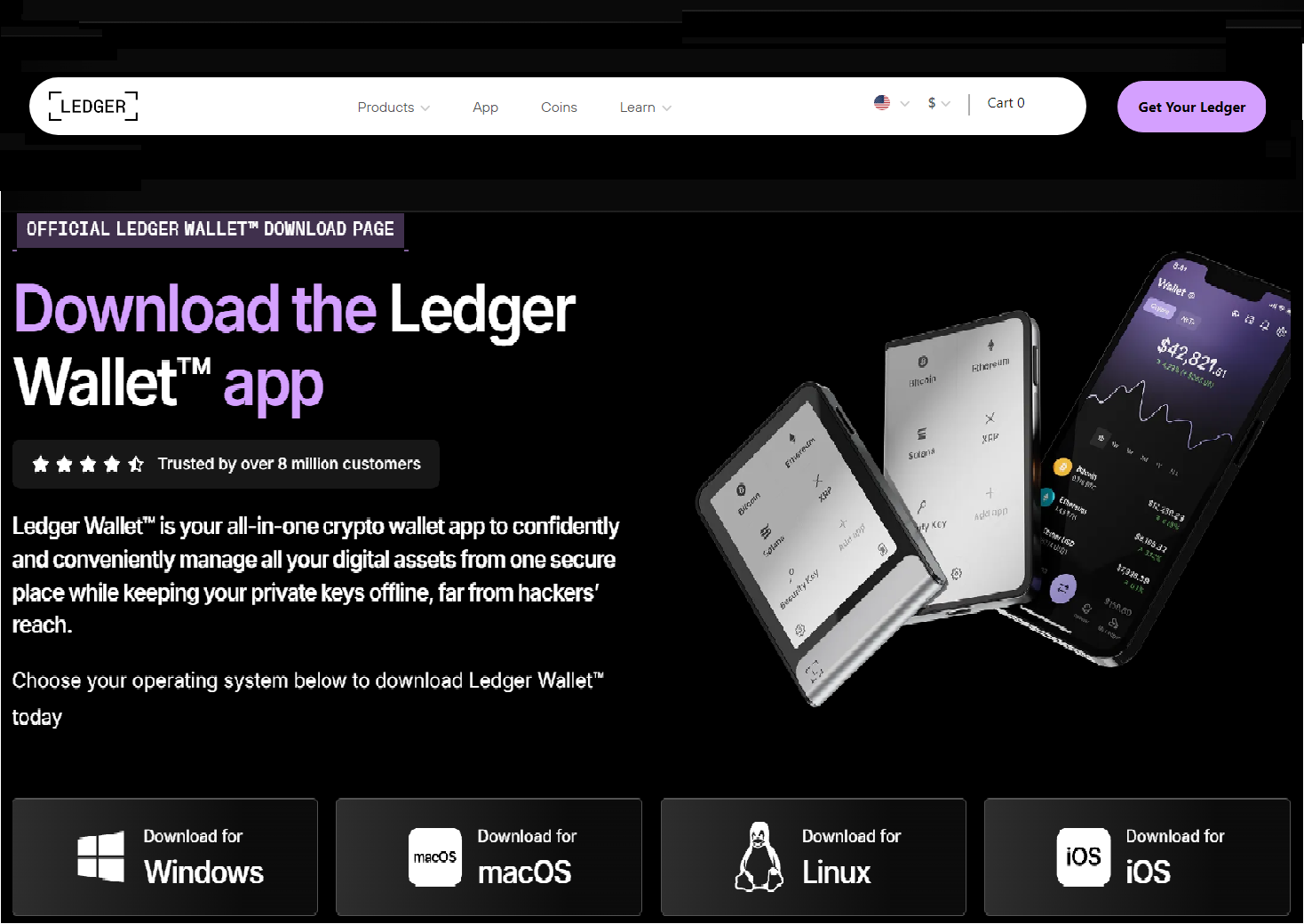
Ledger Live Desktop: Build a Smarter Crypto Workspace
Managing digital assets becomes easier when your workflow is organized from the beginning. Ledger Live Desktop provides a desktop environment where compatible Ledger hardware wallets can be used alongside account information, balances, and transaction activity. Instead of treating every crypto task as a separate process, users can create a consistent routine for checking and managing their assets.
Start With a Trusted Installation
The first part of creating a reliable desktop setup is making sure the software comes from an official and trustworthy source. Fake wallet applications, misleading advertisements, and imitation support pages can create serious security risks.
Before installing Ledger Live Desktop, carefully verify the website and software source. Avoid downloading wallet software from unknown file-sharing pages, unsolicited messages, or suspicious links.
Keeping the installation process simple and controlled gives you a stronger foundation for everything that follows.
Connect Your Hardware Wallet Carefully
A compatible Ledger hardware wallet is designed to keep sensitive signing operations on the physical device. When connecting it to your computer, pay attention to the instructions shown by the software and the hardware wallet.
If a confirmation appears on the device, review it rather than automatically accepting it. A few seconds of careful checking can help prevent mistakes during important operations.
Organize Accounts Around Your Needs
Once the basic setup is complete, account organization can make everyday management easier.
You might separate accounts according to:
- Different cryptocurrencies
- Long-term and active holdings
- Different networks
- Personal accounting categories
- Specific portfolio purposes
A clean account structure makes it easier to identify where funds are located and reduces confusion when preparing transactions.
Review Portfolio Information Regularly
A desktop wallet interface can also serve as a convenient place to review your current activity. Check balances, account details, and transaction history periodically instead of waiting until you need to send funds.
Regular reviews can help you notice unfamiliar activity or unexpected changes sooner.
Remember that displayed balances and transaction information depend on the relevant blockchain network and supported account configuration.
Make Receiving Crypto a Verification Task
Receiving cryptocurrency is not simply a matter of copying an address.
Before sharing an address, confirm that:
- The correct account is selected.
- The intended asset is being used.
- The network is compatible.
- The address has been copied correctly.
- The sender understands which network to use.
When practical, compare the address shown by the software with the address displayed on your hardware wallet. This adds another verification point before funds are sent.
Slow Down Before Sending
Outgoing transactions deserve additional attention because blockchain transactions can be difficult or impossible to reverse once confirmed.
Before approving a transfer, check the recipient address, asset, amount, network, and any applicable transaction details. If the hardware wallet asks you to confirm information, compare it with what you intended to send.
Avoid rushing simply because a transaction appears routine.
Protect Your Recovery Information
Your recovery information is among the most important security elements associated with your hardware wallet. It should remain private and should never be entered into an unfamiliar website or shared with someone claiming to provide technical support.
Legitimate support should not require you to reveal secret recovery information.
Be particularly cautious if someone contacts you unexpectedly and creates urgency around your wallet.
Keep the Computer Environment Secure
Your desktop environment is another part of your security routine. Keep your operating system and security software reasonably up to date, use strong account protection, and avoid installing questionable applications.
You should also be cautious when using shared or public computers for wallet-related activities.
Create a Repeatable Routine
Good wallet management does not need to be complicated. A simple routine can include:
- Opening the software from a trusted installation
- Connecting the hardware wallet directly
- Checking the correct account
- Reviewing transaction details carefully
- Confirming important information on the device
- Keeping recovery information private
- Closing the application when finished
Consistency can be more useful than trying to remember dozens of complicated rules.
FAQs
Can Ledger Live Desktop be used without a hardware wallet?
Some information and functions may be accessible without a connected device, but hardware-wallet workflows depend on compatible Ledger hardware.
Should I accept every device confirmation?
No. Read the information shown on the device and only approve an operation that matches your intended action.
Can I organize multiple crypto accounts?
Account organization depends on the supported assets and networks, but separating accounts can make portfolio management easier.
What should I do if a website asks for my recovery information?
Do not provide it. Treat requests for secret recovery information as a major warning sign.
Why is transaction verification important?
Blockchain transactions may not be reversible, so checking the destination, asset, amount, and network before approval can help reduce costly mistakes.
Conclusion
A well-organized desktop crypto workflow starts with a trusted installation and continues through careful account management, transaction verification, and strong security habits. Ledger Live Desktop can be part of that workflow when used alongside compatible Ledger hardware and sensible security practices. The goal is not simply to complete transactions quickly, but to make each action deliberate and verifiable.
Updated about 3 hours ago