
Ledger®® Live: Desktop® — Getting Started | official Ledger™
Ledger Live Desktop lets you manage your Ledger wallet on your computer, review accounts, monitor balances, and follow crypto portfolio activity.
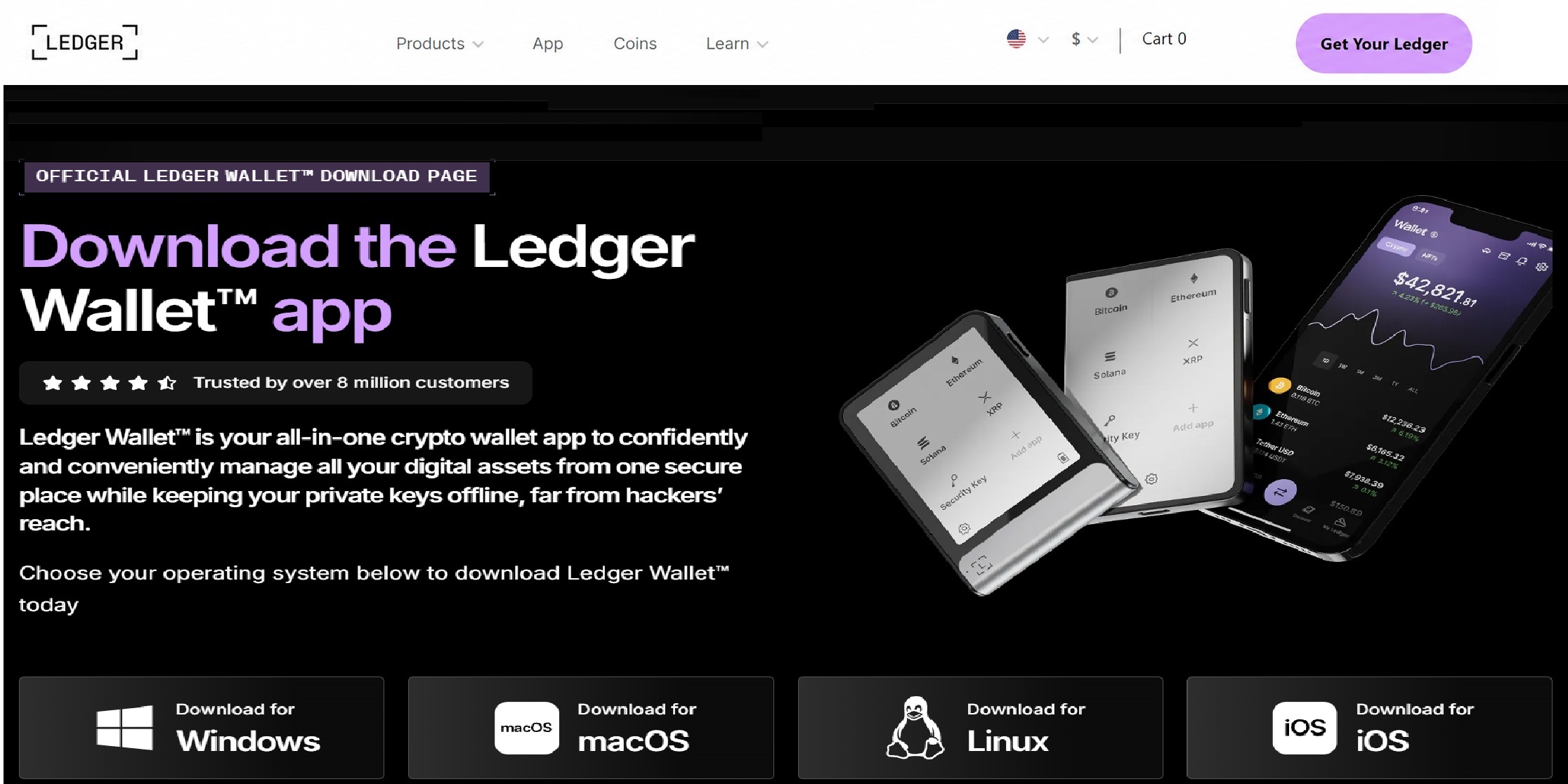
Ledger Live Desktop: A Clearer Way to Manage Crypto Accounts
Managing several cryptocurrency accounts can become confusing without a consistent system. Ledger Live Desktop provides a desktop environment for users working with compatible Ledger hardware wallets and supported digital assets. With a clear approach to account organization, transaction review, and security, everyday wallet management can become easier to follow.
Begin With a Clean Setup
A dependable wallet routine starts with the software installation. Always verify that you are obtaining Ledger Live Desktop through an official Ledger source.
Avoid downloading wallet applications from unfamiliar websites, unofficial support pages, random file-hosting services, or links received through unexpected messages.
A clean installation is an important first step because your wallet activity depends on the integrity of the software environment you use.
Learn Your Account Layout
After setting up the application, spend some time understanding the accounts available in your wallet.
Depending on your portfolio, you may have accounts for different assets or networks. Instead of treating them as interchangeable, learn what each account is intended for.
Useful account labels can make it easier to recognize the correct destination when preparing a transaction.
Separate Tracking From Transacting
Not every wallet session needs to involve moving funds.
You can use a regular review session to examine balances and recent activity without initiating transactions. This can help you stay familiar with your portfolio while reducing unnecessary interaction with your wallet.
When you actually need to move assets, switch into a more deliberate transaction-checking routine.
Keep an Eye on Transaction History
Transaction history provides useful context when reviewing your accounts.
Look through recent activity occasionally and confirm that transactions are familiar. For transactions you do not recognize, investigate using appropriate blockchain information rather than immediately trusting a message or third-party explanation.
A transaction identifier can also be useful when keeping your own records.
Make Receiving More Deliberate
Receiving funds may appear simple, but the correct account and network still matter.
Before giving an address to a sender, check:
- The selected account
- The intended cryptocurrency
- The expected network
- The displayed receiving address
For important transfers, compare the address carefully before the sender completes the transaction.
Treat Sending as a Separate Process
When sending cryptocurrency, slow down and verify the complete transaction.
Check the destination, asset, amount, network, and applicable fee information. Then review any final details presented by the hardware wallet before approving.
Do not assume that a previously used destination is automatically correct for a new transaction.
Keep Your Recovery Information Out of the Workflow
Recovery information should not be part of ordinary customer-support conversations, transaction records, or online forms.
Never share it with someone claiming that they need it to synchronize, validate, unlock, or recover your wallet.
Keeping sensitive recovery information private is one of the most important responsibilities of a hardware-wallet user.
Recognize Manipulation Attempts
A suspicious message may try to make you act before you have time to think.
Be cautious when someone:
- Creates an artificial deadline
- Claims your funds are immediately at risk
- Requests secret information
- Sends an unfamiliar wallet link
- Tells you to install remote-access software
- Asks you to approve an unexpected transaction
When a request is unusual, verify it independently.
Build a Simple Account Review
Once a week or whenever appropriate for your activity, consider reviewing your wallet systematically.
Start with account names, then check balances and recent transactions. Look for unfamiliar activity and make sure your records remain organized.
This process can help you remain aware of your portfolio without constantly interacting with it.
FAQs
Does Ledger Live Desktop replace a hardware wallet?
No. Desktop software and compatible hardware can serve different roles in a wallet workflow. Hardware-wallet operations may require the physical device.
Why organize accounts?
Clear account organization can make it easier to identify the intended asset and account before a transaction.
Should I trust a support message asking for recovery information?
No. Keep sensitive recovery information private and verify support requests independently through official channels.
Why check the network when sending crypto?
Different assets and tokens can operate across different networks. The selected network needs to match the receiving destination.
Can transaction history help with wallet management?
Yes. Reviewing previous activity can help you understand your account and identify transactions that require further investigation.
Conclusion
Good account management is built around clarity. Ledger Live Desktop can support an organized workflow where users separate portfolio reviews from transactions, verify account details, check networks, and protect sensitive recovery information. A consistent process can make everyday digital-asset management easier to navigate.
Updated about 2 hours ago